Shut the small isolation valve on the pipe right underneath the tap or toilet first. That stops the leak without cutting off water to the whole house. Use a flat head screwdriver: the water is on when the slot follows the pipe, and off after a quarter turn so it sits across it. Still leaking? Then turn the water off at the stop tap instead.
A toilet leak is easy to miss. Listen for a trickle from the cistern when nobody has flushed, or ripples on the water in the pan. To be sure, put a few drops of food colouring in the cistern and leave it a while. If colour shows up in the pan, it is leaking.
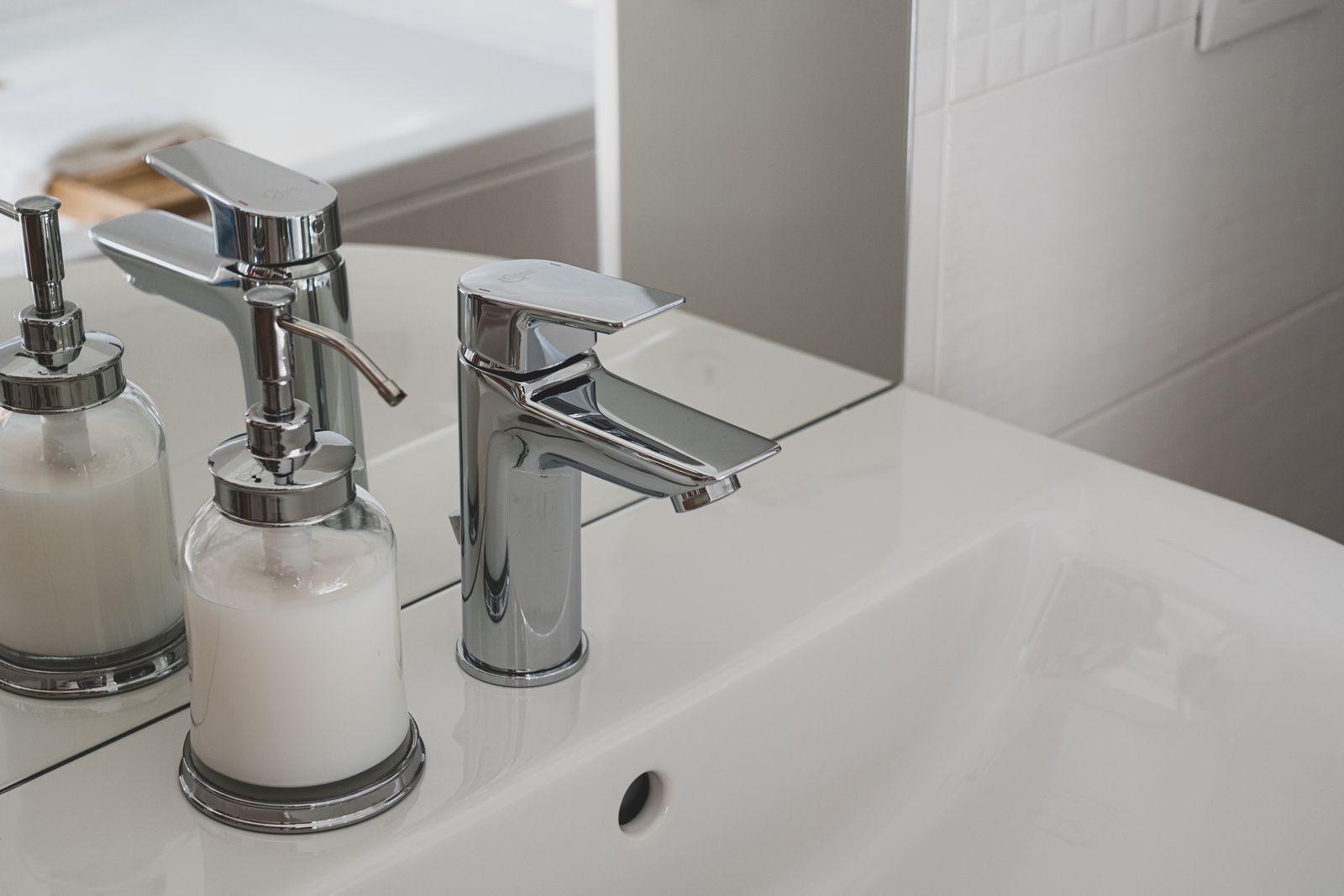
On a toilet, it usually comes down to the flush valve or fill valve in the cistern, most often a failed valve seal. A tap tends to drip because its rubber washer has cracked, gone brittle or clogged with limescale. On a single lever tap, a worn or clogged cartridge can do it instead.
It pays to act early, because a leaking toilet can waste between two hundred and four hundred litres of water a day. If a tap is badly damaged or you're not sure what's causing the drip, that's when to call. Get in touch with me at Optimum HVAC through my General Plumbing page and I'll come and put it right.