Oil-fired heating is easy enough to live with and unforgiving of neglect. It runs on fuel you buy in batches and store on site, and many of the failures that end in a cold house begin somewhere along that chain rather than inside the boiler.
If you are weighing up oil boiler installation and servicing, Battle homeowners tend to arrive at the same two questions: what should a proper service include, and when does repair stop being worth it? Both are answerable, but only with the appliance and the tank in front of an engineer.
Treat the appliance and the tank as one system
An oil boiler is only as reliable as what feeds it: a visit that inspects the burner but ignores the fuel line, filter and tank has covered half the job. Before booking, gather what you can:
- the boiler make and model, plus burner details if readable without removing a cover;
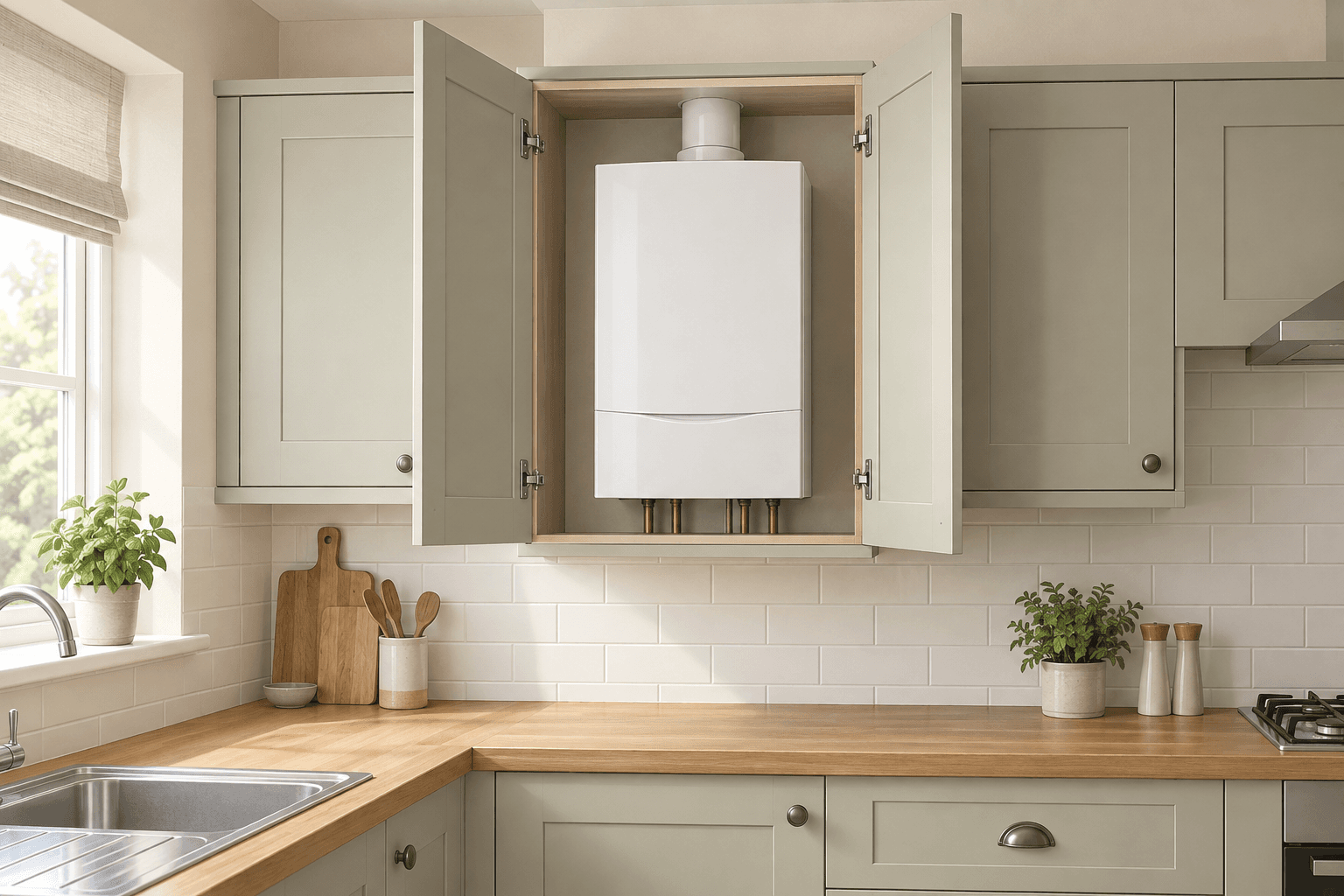
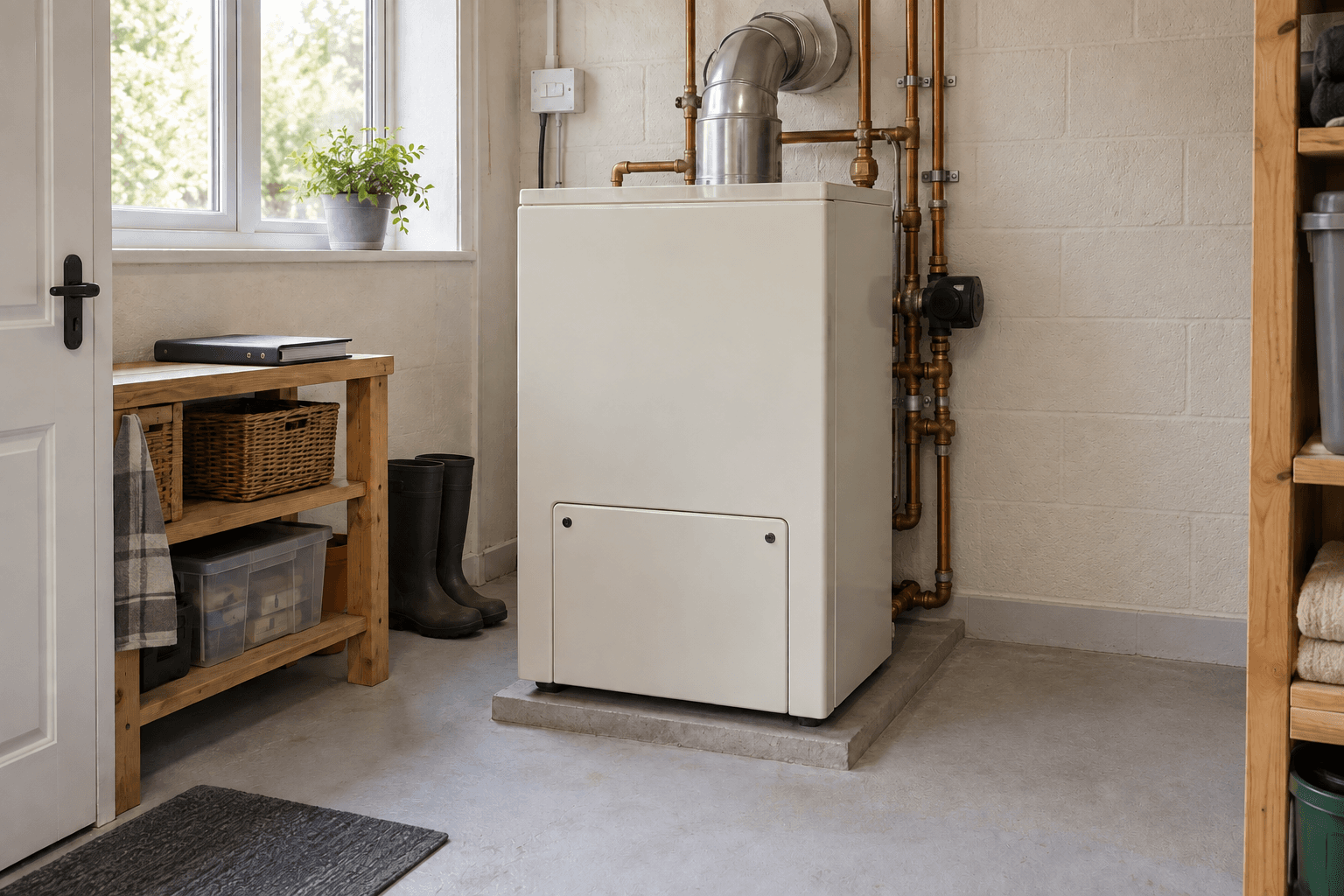
- where the boiler sits: kitchen, utility room or outbuilding;
- whether it serves hot water, heating, or both;
- the tank type, as far as you can tell: single-skin metal, plastic or bunded;
- the last service date and any paperwork you hold;
- the fault pattern, such as lockouts after running for a while.
Describe what the boiler does rather than what you think is wrong. Saying it runs for a time, then locks out and needs resetting, tells an engineer far more than saying it keeps breaking.
What a service should actually cover
A service is planned maintenance, not a repair, and the two are best booked separately. On an oil appliance, a thorough visit generally means renewing the nozzle and fuel filter as required, cleaning the combustion chamber and heat exchanger, inspecting the flue and its seals, and testing combustion with an analyser.
Ask for the recorded combustion figures and file them with the manual. Comparing readings between visits shows whether the appliance is drifting. Work to the interval in the manufacturer's instructions, confirmed by your engineer: missed servicing on an oil appliance shows up as sooting, poor efficiency and nozzle trouble rather than as a sudden breakdown, which is exactly why it goes unnoticed.
The tank is where avoidable problems start
Water and sludge collect in the bottom of oil tanks over time, and both eventually reach the filter and nozzle. Without opening anything, and from a safe distance, look over the tank and its surroundings:
- staining, damp ground or an oily smell near the tank, line or boiler;
- whether the gauge and any bund are intact and readable;
- whether the base still fully supports the tank, with no sagging or cracking;
- vegetation or stored material pressing against it;
- whether a delivery tanker can still reach the fill point.
If you suspect a leak, stop there. Oil escaping into ground or a watercourse is an environmental problem as well as a heating one. Isolate the supply only if that is safe and obvious to do, contain what you can, and have a qualified engineer assess it. Do not repair fuel lines, adjust the burner or bleed the oil line yourself.
If you notice fumes or a smell of combustion indoors, shut the appliance down, ventilate the room and get advice before restarting it. A carbon-monoxide alarm, fitted and tested to its own instructions, is worthwhile with any fuel-burning appliance, but it warns rather than maintains.
When replacement enters the conversation
Repair usually remains the better option while parts are available and the appliance holds its combustion figures. The balance shifts when the same fault keeps returning, when parts become obsolete, when the flue or boiler position no longer suits the property, or when hot-water demand has outgrown what the boiler was sized for.
Replacement is a survey job rather than a phone quote. It has to take in the boiler position and flue route, the tank's condition and location, the oil line, the pipework and controls, and how the household really uses hot water. Oil-storage and building requirements apply to tank siting, so ask the engineer what applies rather than assuming the existing arrangement can be repeated.
Frequently asked questions
Is a service the same as a repair?
No. A service is scheduled maintenance carried out to the manufacturer's instructions. It can improve how the appliance runs, but it is not a commitment to cure an existing fault. If the boiler is locking out or failing to give reliable hot water, call that a fault so the visit is planned as diagnosis.
Can I be told what is wrong without a visit?
Not reliably. Model details, symptoms, error indications and photographs help an engineer turn up prepared, but combustion testing and inspection of the appliance, flue and fuel supply have to happen on site before anyone can say what the fault is.
A practical next step
Write down your boiler and tank details, your service history and the pattern of any fault, note any access constraints such as gates or a locked outbuilding, and decide whether you want a service, a diagnosis or a replacement assessment.
Optimum HVAC carries out oil boiler installation, servicing and repairs alongside wider plumbing and heating work for households in Battle.
Call +447791666357 with those notes to hand. We will go through what you have recorded, agree which kind of visit you need, and arrange a time for an engineer to inspect the appliance and the fuel supply before anything is quoted.